Mental Health on Hand: Tea & Talk with USC Counselors Event Recap
by: Camila Echevarria
Tea & Talk with USC Counselors helped students assess relationships, identify personal values, and set goals to support their mental health.
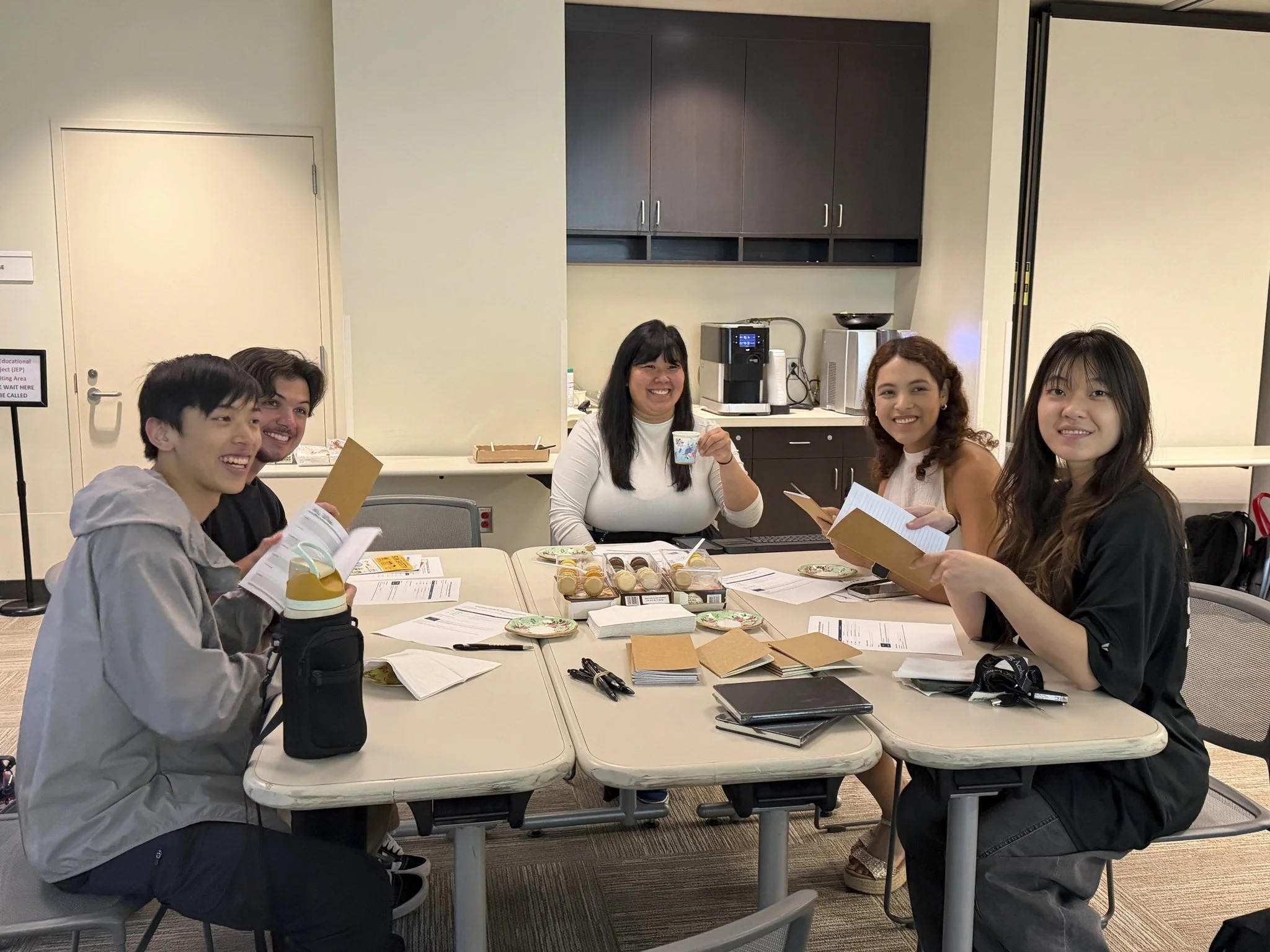
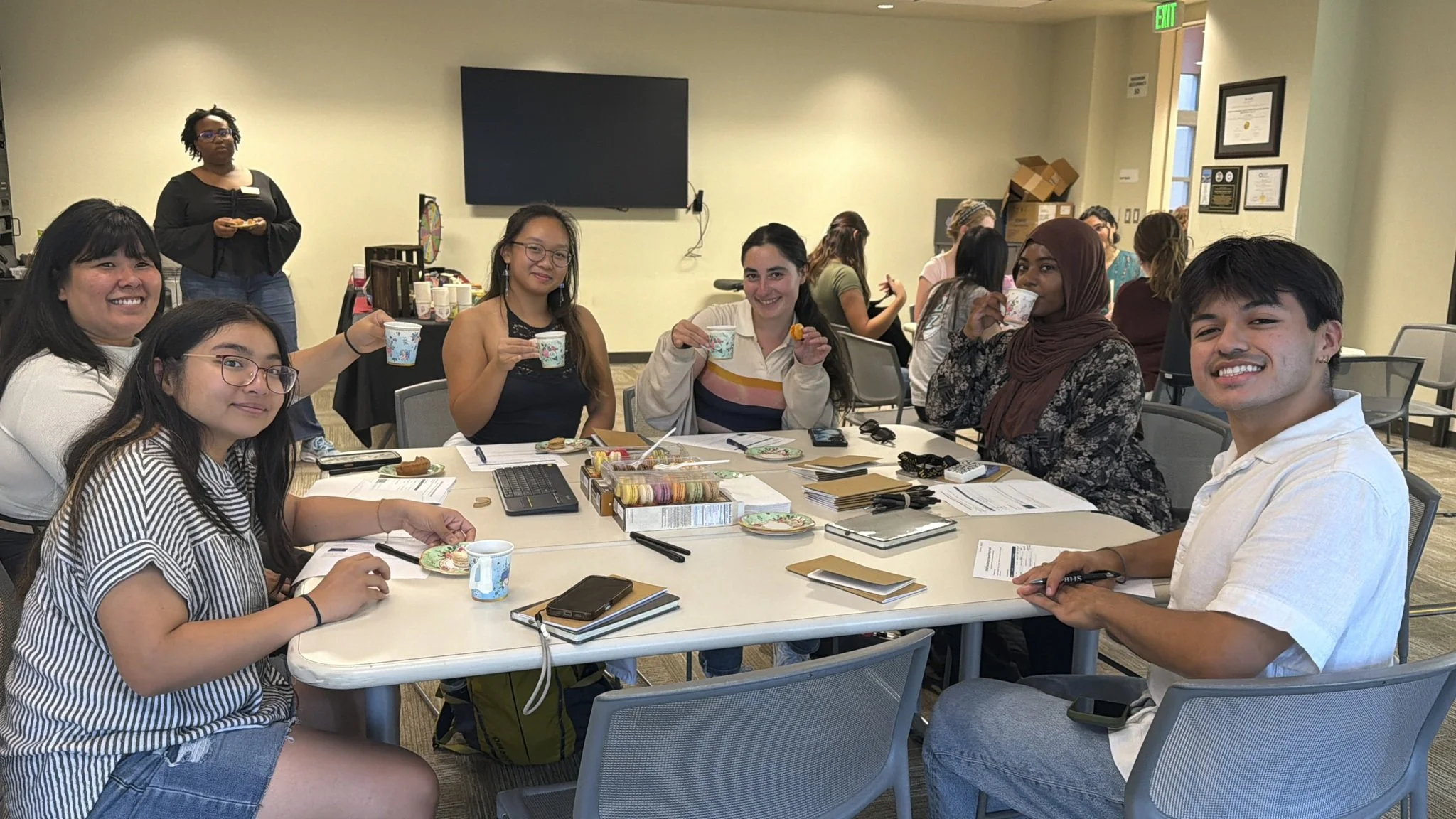
USC students gathered for warm tea, fall treats, and meaningful conversations about mental health and well-being at Tea & Talk with USC Counselors on Tuesday, Sept. 29, in the Trojan Conference Room at the Engemann Student Health Center.
USC Undergraduate Student Government (USG), represented by Senator Amy He, hosted the event in collaboration with USC Student Health, welcoming students from all USC schools. It offered a welcoming, informal space to connect with counselors from USC Student Health’s Counseling and Mental Health unit, participate in guided activities, and learn USC’s mental health resources and how to access them.
The event featured Dakari Quimby, PhD, assistant director of outreach and prevention at Counseling and Mental Health, and Vinisha Rana, PhD, a clinical psychologist with Counseling and Mental Health and embedded therapist at the LGBTQ+ Center.
Quimby and Rana each hosted an activity table designed to encourage reflection and conversation. Denise Gomez, a representative from USC Student Health’s communications team, led a third table focused on setting goals for well-being. Over warm tea and treats, attendees moved among the tables, connected with counselors and one another, and explored their values, relationships, and personal goals.
Connecting values with daily decisions
At Quimby’s table, participants reflected on life transitions, including changes such as beginning college, moving away from home, graduating, or preparing for a new chapter.
Participants completed the Values Bullseye, a reflection worksheet featuring a target divided into four areas: work and education, leisure, personal growth and health, and relationships.
Quimby asked students to choose one value that matters to them, such as creativity, authenticity, or respect. They then placed an “X” in each area of the target to show how closely their actions aligned with that value.
Assessing relationships
At Rana’s table, participants were invited to reflect on the relationships that shape their everyday lives. Using the Healthy Relationships Quick Check worksheet, each person chose one personal connection and considered questions about its overall patterns and dynamics.
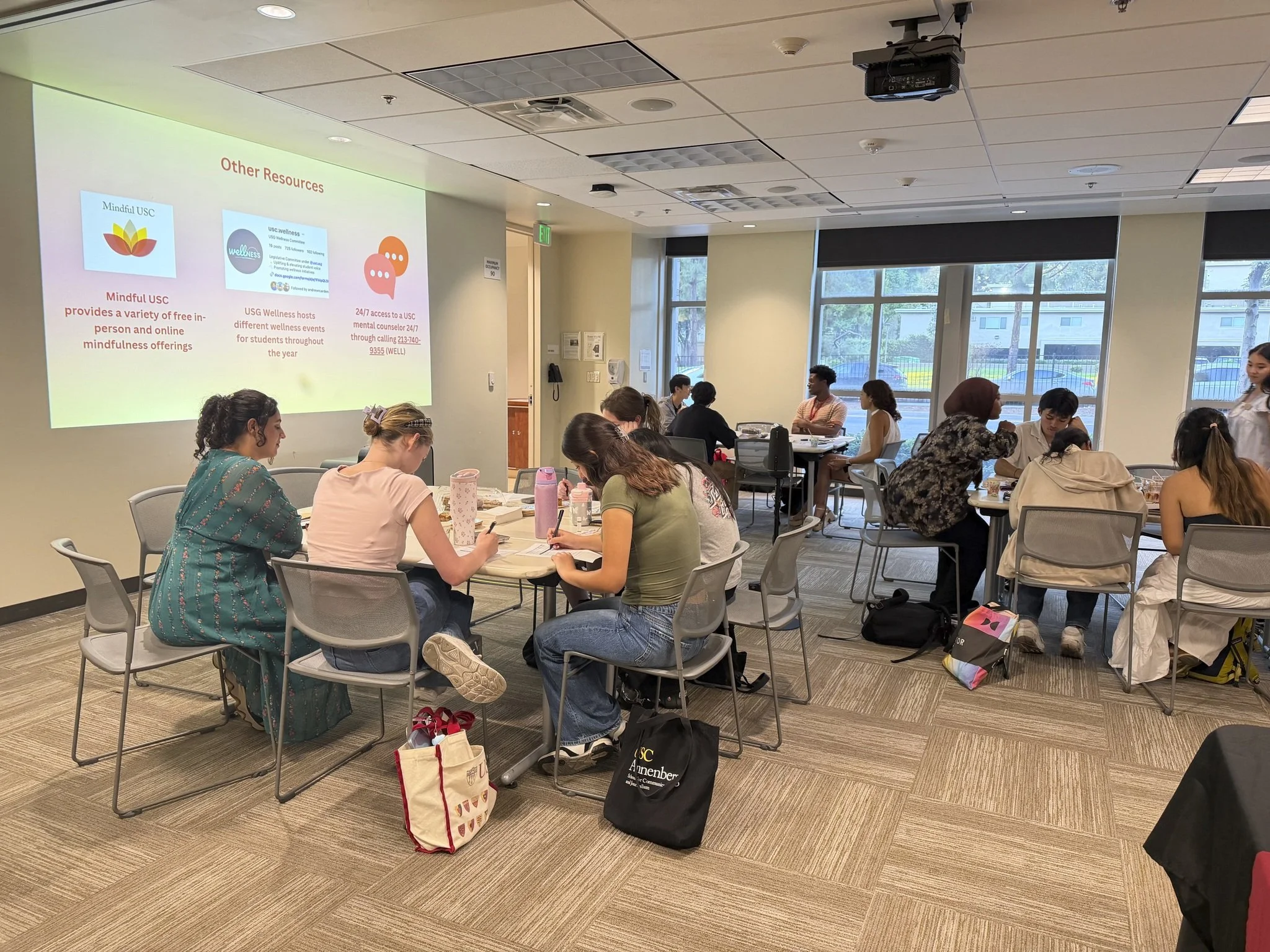
Rana also reminded students of the importance of contacting a counselor sooner rather than later, noting that they do not need to wait until something serious happens.
Setting SMART goals for improved mental health
At Gomez’s table, students explored the SMART framework, a goal-setting approach that can help turn a broad intention into a clear, manageable next step.
Participants selected an area of well-being to focus on, such as movement, nutrition, sleep, connection, gratitude, social media use, relaxation, time in nature, talking through concerns, or seeking professional support. They then developed a related goal that was specific, measurable, attainable, relevant, and time-bound — the five elements represented by the SMART acronym.
Gomez emphasized the importance of setting goals that are realistic and sustainable in the long term. As the worksheet reminded participants, “If a goal feels too difficult, make the step smaller — not the purpose less meaningful.”
Mental health resources highlighted at the event
In addition to the guided activities, the event introduced attendees to several mental health and well-being resources available to USC students, along with information on how to access them.
Low-barrier ways to get started
Let’s Talk: Informal, 30-minute conversations with a Counseling and Mental Health clinician focused on problem-solving, resilience, and skill-building.
Solution Sessions: One-hour sessions designed to help students address a specific concern and identify possible next steps.
Embedded Counselors: Counseling and Mental Health clinicians who provide support within academic schools, cultural centers, and other student-centered locations across campus (e.g., LGBTQ+ Center and the Black Student Cultural Center).
Workshops: Weekly 60-minute group educational sessions that help students develop skills related to topics such as ADHD, sleep, depression, emotional well-being, and more.
Additional resources at USC
USC Student Health: Information about medical care, counseling, mental health, and other health and well-being services.
24/7 Contact Center: Call 213-740-9355 (WELL) anytime to ask questions, schedule appointments, or connect with support.
MySHR: USC Student Health’s secure portal for scheduling appointments, booking workshops, and communicating with health care providers.
CARE-SC: Confidential support, advocacy, and resources for students navigating concerns related to relationships, consent, or gender- and power-based harm.
Mindful USC: Free in-person and online mindfulness classes, meditation groups, and other programs.
USG Wellness Committee: An Undergraduate Student Government committee that hosts wellness events throughout the academic year.
Remember, students who need support or have questions do not need to know exactly which resource is right for them before reaching out. The USC Student Health Contact Center is available 24/7 at 213-740-9355 (WELL). The team can answer questions, help schedule appointments, and connect students with support.
Have an idea for a future wellness event? Contact the USG Wellness Committee at usg@usc.edu.